
In this booming SaaS landscape, organizations use at least one SaaS solution. Standing out from the competition isn’t just about having the most advanced features; it’s about design.
Design principles are the DNA of successful SaaS products. They are a major reason users stick with a product, recommend it to others, and ultimately fuel company growth.
Let’s explore 5 essential design principles backed by real-world examples and learn actionable tips to help you create SaaS products that will attract users and keep them engaged.
Principle 1: Intuitive User Interface
Your UI is not just about aesthetics; it’s about guiding users seamlessly through your product. A well-crafted UI anticipates user needs and minimizes cognitive load.
The user interface is your SaaS product’s digital storefront. An intuitive UI looks good and guides users through your product’s features. It reduces the learning curve and helps them achieve their goals with minimal friction.
Why an Intuitive User Interface Matters
The UI is the primary point of contact with your product, shaping first impressions and influencing the overall experience. A cluttered or confusing UI can lead to frustration and abandonment, while a user-friendly interface boosts user adoption, engagement, and the overall success of your SaaS business.
Tips for Crafting an Intuitive UI
- Visual Hierarchy: Guide the user’s eye using size, color, and placement to prioritize essential actions and information.
- Consistent Navigation: Maintain a uniform navigation pattern throughout your product, so users always know where they are.
- Minimalism: Avoid overwhelming users with too many options. Keep the interface clean and focused.
- Intuitive Interactions: Ensure buttons and links behave as expected. Use tooltips and micro-interactions for subtle guidance.
Example: Klipboard’s clean layout and intuitive navigation exemplify effective UI design.

Principle 2: Seamless User Experience
While UI is the door to your SaaS product, the user experience (UX) is the journey users embark on once inside. A seamless UX ensures an efficient journey, leaving users satisfied and accomplished. It’s about creating a product users love to use, not just have to use.
Why a Seamless UX Matters
Imagine visiting a website to purchase a product. If the process is confusing and frustrating, you’ll likely not return.
However, when the journey is intuitive, seamless, and enjoyable, they are more inclined to stay, engage, and even advocate for the product.
Happy users are more likely to become loyal customers, recommend your product, and contribute to your overall SaaS success. Hence, a seamless UX matters.
“Improving your product’s UI/UX directly impacts conversion rates, which is critical for customer acquisition. A higher conversion rate means better returns from marketing and faster business scaling,” says Matt Di Vincere, Chief Editor at Currency Brokers.
Tips for Crafting a Seamless UX
- User Journey Mapping: Map out the steps users take to achieve their goals in your product. Identify pain points and optimize each touchpoint for a smooth flow.
- Personalization: Cater to individual needs and preferences by tailoring dashboards, recommendations, or workflows to each user’s unique profile.
- Continuous Feedback: Regularly collect user feedback through surveys, user testing, or analytics. Use these insights to iterate and improve the UX over time.
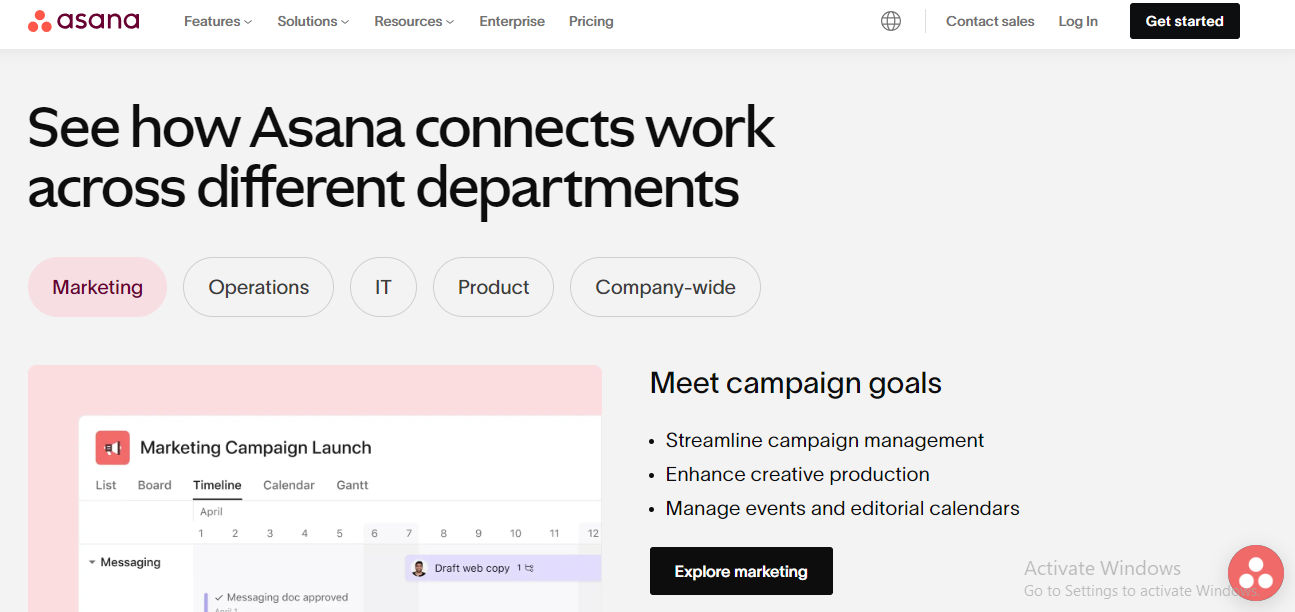
Example: Asana’s smooth onboarding and task management flow create a positive UX.
Principle 3: Customer-Centricity
Customers are the most valuable assets in SaaS. Thus, customer-centricity is the bedrock of successful SaaS products.
This principle goes beyond gathering feedback; it’s about empathizing with users and designing a product that solves their problems.
Why Customer-Centricity Matters
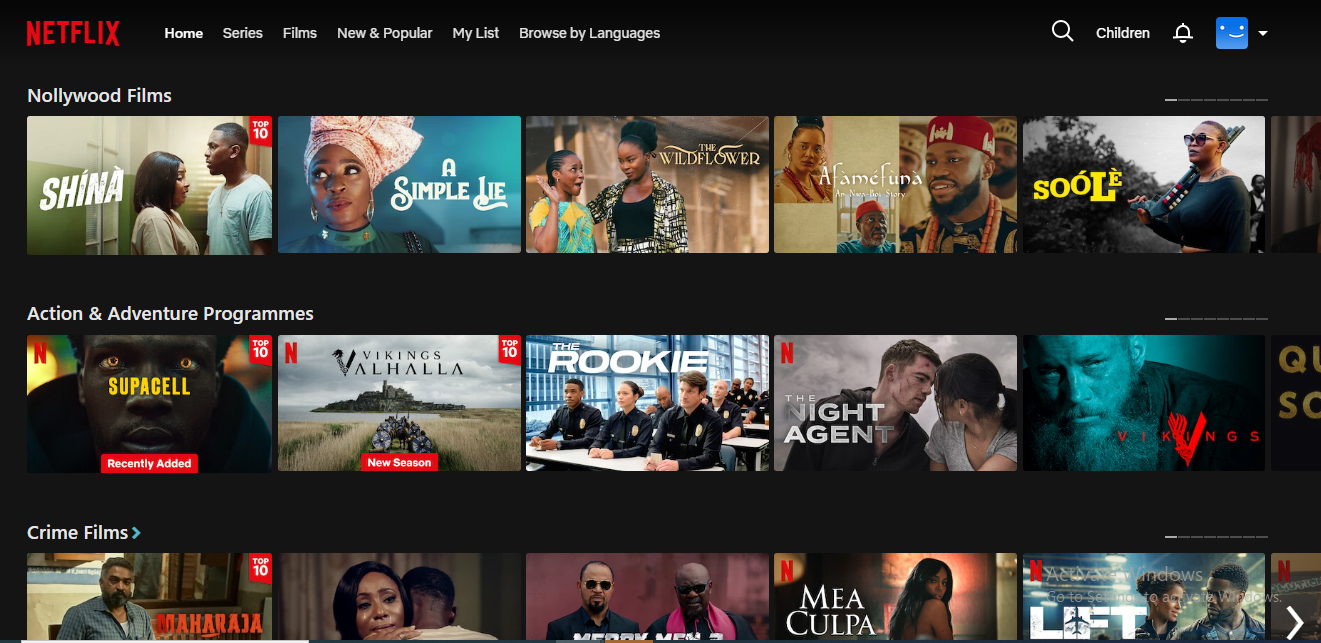
Consider how Netflix continuously analyzes user behavior to provide personalized recommendations, keeping subscribers engaged and satisfied. A customer-centric approach fosters loyalty, reduces churn, and fuels positive word-of-mouth marketing, all of which are vital for SaaS success.
Tips for Customer-Centric Design
- User Research: Conduct thorough user research to understand your target audience. Use surveys, interviews, and user testing to understand their needs, pain points, and motivations.
- Personalization: Create a tailored experience for each user by personalizing onboarding, recommendations, and content based on their preferences and behaviors.
- Customer Support: Provide excellent and prompt customer support to address issues or questions, and turn dissatisfied customers into a loyal advocate.
Example: Netflix exemplifies customer-centricity, using data to provide personalized recommendations, tailoring each user’s experience to their individual preferences.
Principle 4: Scalability and Flexibility
The SaaS market is dynamic, and change is the only constant. Your product must be built to adapt, evolve, and scale alongside the ever-changing needs of your users and the market.
Why Scalability and Flexibility Matter
Imagine trying to run a global enterprise on a platform designed for a small startup—it simply wouldn’t work. The inability to scale would lead to bottlenecks, performance issues, and frustrated users.
On the other hand, a scalable and flexible platform allows you to accommodate a growing customer base, expand into new markets, and respond quickly to emerging opportunities.
Tips for Scalable and Flexible SaaS Design
- Modular Architecture: Design with independent components for easy feature addition, removal, or modification.
- Cloud Infrastructure: Leverage the cloud for flexible resource scaling, ensuring optimal performance during peak usage.
- Customization Options: Empower users to tailor your product to their unique workflows and preferences.
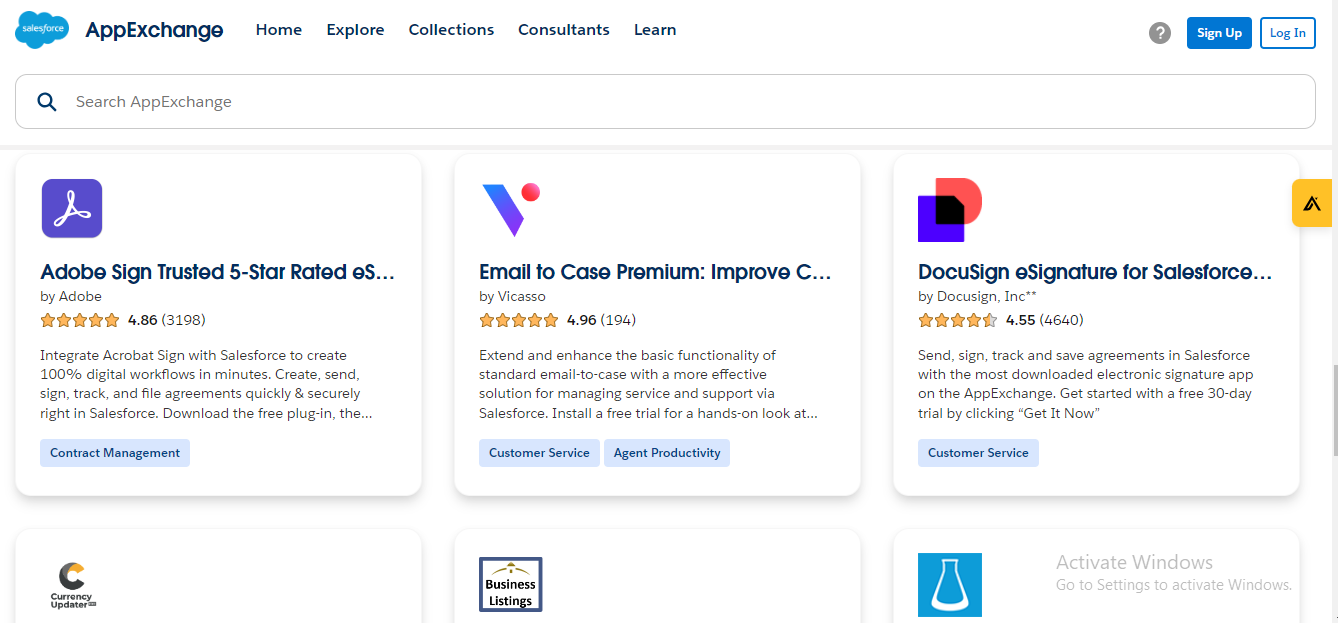
Example: Salesforce’s AppExchange allows users to customize the platform with thousands of integrations.
Principle 5: Security and Privacy
Security and privacy are non-negotiable. For SaaS products, where sensitive data is often entrusted to your care, robust safeguards are paramount.
Why Security and Privacy Matter
A security lapse can result in financial losses, legal liabilities, and a mass exodus of users.
For instance, in March 2024, AT&T Inc. experienced a major security breach, compromising the personal data of 73 million customers. Thus, building a secure and privacy-conscious product isn’t just good practice; it’s a business imperative.
“Establishing trust is paramount. At Willed, we’ve learned that consistent and thoughtful design language is crucial in conveying reliability and security,” says Tim Glasson, Co-founder and CTO at Willed.
Tips for Robust Security and Privacy
- Encryption: Implement strong encryption to protect data in transit and at rest, ensuring unauthorized parties cannot read it.
- Access Controls: Enforce strict access controls, using role-based access and multi-factor authentication to enhance security.
- Regular Audits & Testing: Conduct regular security audits and proactive penetration tests to identify and address vulnerabilities. Collaborate with external experts for comprehensive assessments.
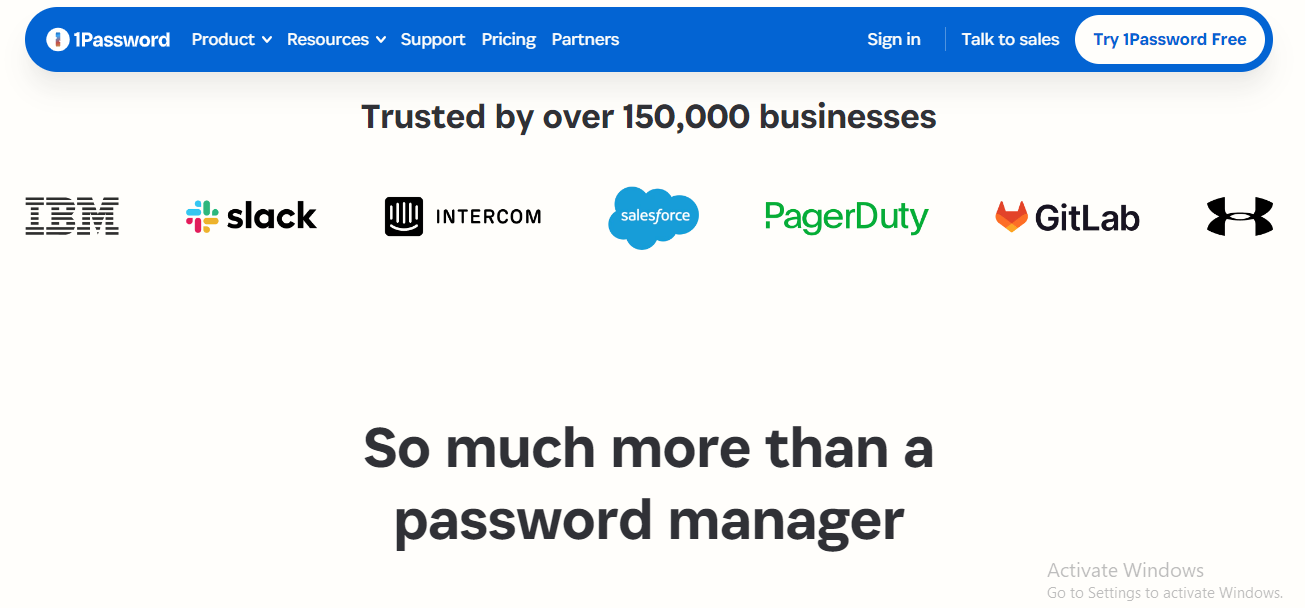
Example: 1Password’s commitment to security has made it a trusted choice for password management.
Drive Product Success with Design Principles
In the competitive SaaS market, design is your differentiator, allowing you to build a product that not only attracts users but also fosters loyalty and drives success.
However, great design is a journey, not a destination. Continually listen to your users, adapt to their evolving needs, and refine your product based on their feedback.
By embracing these design principles, you can create a SaaS product that truly stands out in the market and delivers lasting value to your users.
About the Author
Adedoyin Ogunmola is a professional writer with over two years of experience working with B2B SaaS, AI, and Ed-tech brands. He is known for producing authentic, high-quality content. His writing philosophy, “Show, don’t just tell,” emphasizes simplifying complex ideas through clear, relatable examples and vivid illustrations. Follow me on LinkedIn.


